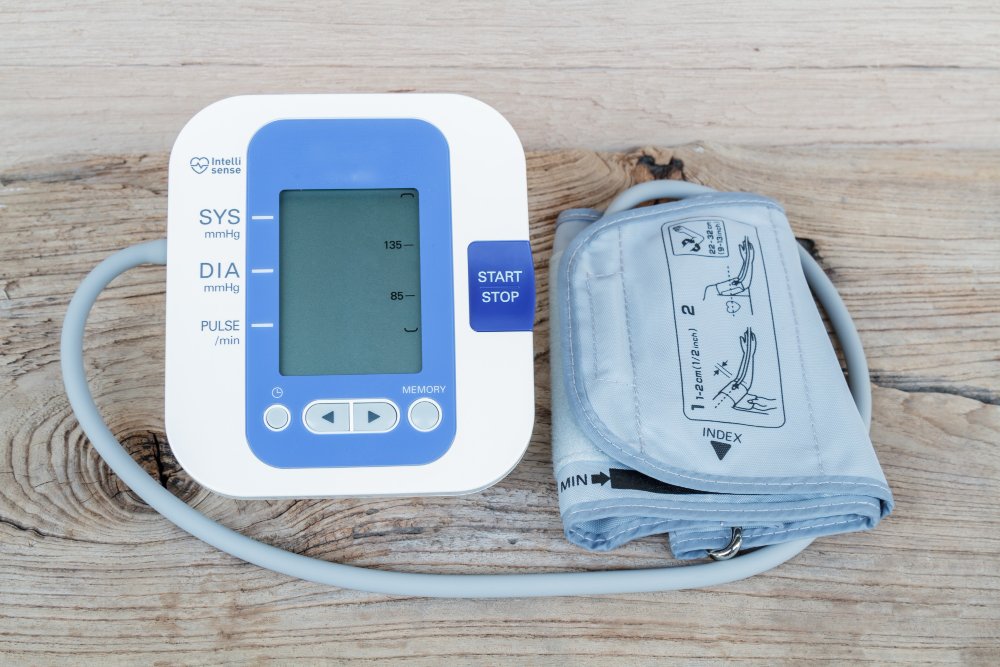

For patients recovering from critical illness, major surgery, or severe respiratory conditions, extended hospital stays can be physically exhausting and emotionally draining. Today, ICU care at home offers an advanced healthcare solution that delivers hospital-level monitoring and medical support in the comfort of home.
With trained critical care nurses and appropriate medical equipment, families can ensure high-quality treatment while maintaining privacy and emotional comfort.
What Is ICU Care at Home?
ICU care at home (also known as critical care at home) provides intensive medical supervision for patients who require advanced monitoring but are stable enough to leave the hospital.
Services may include:
- Continuous vital monitoring
- Ventilator support
- Tracheostomy care
- Oxygen therapy
- IV medication administration
- Feeding tube management
- Post-ICU rehabilitation
This level of care requires skilled nursing professionals and specialized equipment.
Who Needs ICU Care at Home?
ICU-level home care is suitable for:
- Post-ICU recovery patients
- Ventilator-dependent patients
- Severe respiratory condition patients
- Stroke or neurological recovery patients
- Cardiac surgery recovery cases
- Advanced chronic illness patients
A doctor’s recommendation is usually required before transitioning to home ICU care.
Benefits of ICU Care at Home
Comfort & Emotional Stability
Being in a known setting reduces anxiety and confusion.
Reduced Hospital Infection Risk
Home environments lower exposure to hospital-acquired infections.
Personalized One-on-One Care
Dedicated nursing attention ensures focused monitoring.
Cost-Effective Alternative
Extended hospital ICU stays can be expensive; home ICU care may reduce overall costs.
Family Involvement
Families can stay closely involved in the recovery process.
Equipment Used in Home ICU Care
Depending on patient needs, equipment may include:
- Ventilators
- Oxygen concentrators
- Cardiac monitors
- Infusion pumps
- Suction machines
- Hospital beds
Professional installation and monitoring are essential for safety.
Is ICU Care at Home Safe?
Yes – when provided by trained critical care nurses under medical supervision. Care plans are customized based on the patient’s condition, and emergency protocols are clearly defined.
However, home ICU care is only recommended when the patient is clinically stable.
Is ICU care at home as effective as hospital ICU care?
Home ICU care can be highly effective for stable patients who require monitoring but not emergency hospital intervention.
Who decides if a patient can shift from hospital ICU to home?
The treating doctor evaluates the patient’s stability and determines eligibility for home ICU care.
Are nurses trained for critical care?
Yes, home ICU services are delivered by trained critical care nurses experienced in advanced monitoring and equipment handling.
What happens in case of an emergency?
Professional providers establish emergency response protocols and coordinate with nearby hospitals if urgent intervention is required.
Is home ICU care available 24/7?
Yes, ICU care at home typically includes round-the-clock nursing support.
Is it more affordable than hospital ICU?
In many cases, extended hospital ICU stays are more expensive than structured home ICU services.
“ICU care at home offers an advanced, compassionate, and practical alternative to prolonged hospital stays. With trained critical care nurses, specialized equipment, and structured monitoring, patients can receive high-level medical support in a familiar and comfortable environment. For families seeking privacy, emotional reassurance, and personalized attention, home ICU care provides a dignified path to recovery without compromising safety or quality.”