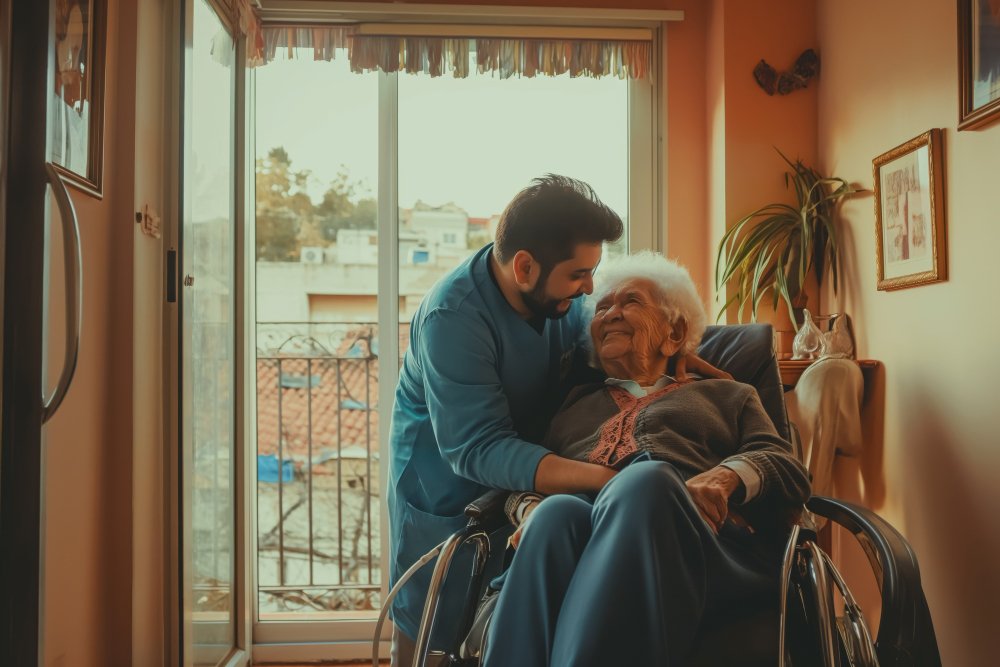
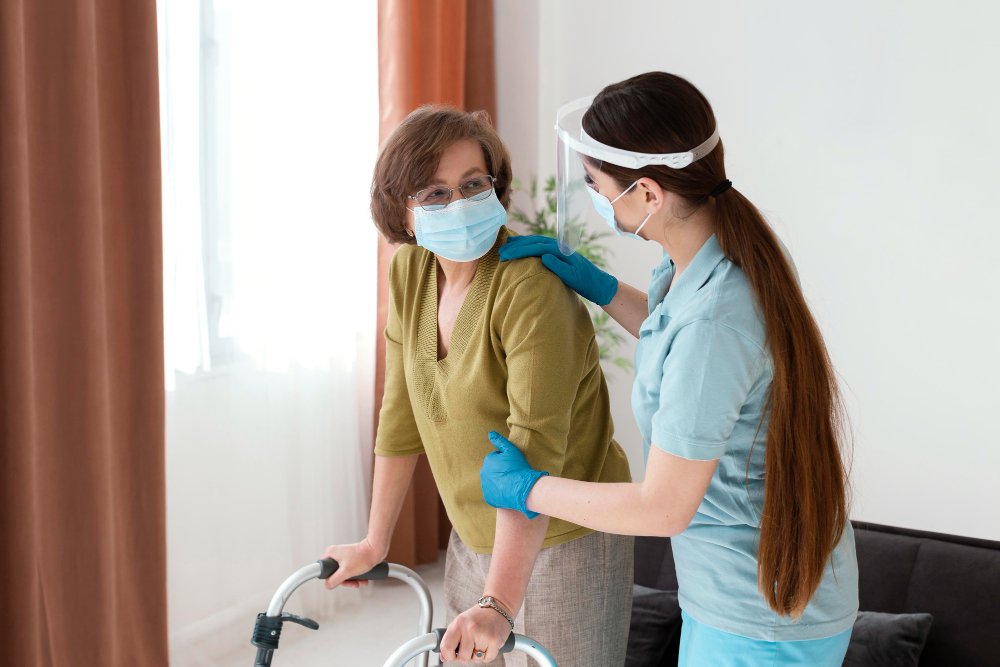
When a loved one is recovering from illness, surgery, or managing age-related challenges, daily tasks can become difficult. Simple activities like bathing, dressing, eating, or moving around may require assistance. That’s where professional attendant services at home play a vital role.
Home attendants provide non-medical support that ensures comfort, hygiene, and safety, helping patients live with dignity in their own homes.
What Are Home Attendant Services?
Attendant services focus on assisting patients with daily living activities. While attendants are not nurses, they are trained to provide supportive care and help maintain routine and hygiene.
These services are ideal for:
- Elderly individuals
- Bedridden patients
- Post-surgery recovery patients
- Disabled individuals
- Patients with mobility limitations
Detailed Responsibilities of a Home Attendant
A professional home attendant typically assists with:
Personal Care & Hygiene
- Bathing and sponge baths
- Grooming and oral care
- Dressing assistance
- Toileting support
Mobility & Positioning
- Helping patients walk safely
- Wheelchair assistance
- Bed positioning to prevent bedsores
- Transferring from bed to chair
Feeding & Nutrition Support
- Assisting with meals
- Ensuring proper hydration
- Monitoring basic dietary routines
Daily Living Support
- Light housekeeping around the patient
- Changing bed linens
- Basic companionship
- Medication reminders
Attendants ensure patients maintain dignity, comfort, and routine.
Key Benefits of Attendant Services at Home
Comfort & Emotional Security
Staying at home reduces stress and anxiety compared to hospital settings.
Fall Prevention & Safety
Professional support reduces the risk of falls and injuries.
Reduced Caregiver Burnout
Family members receive relief while knowing their loved one is in safe hands.
Flexible Care Plans
Services can be arranged for 8 hours, 12 hours, overnight, or 24-hour care.
Affordable Alternative to Hospital Stay
For non-medical needs, attendant care is a cost-effective option.
Signs You Should Hire a Home Attendant
You should consider professional attendant services if:
- Your loved one struggles with bathing or dressing
- There are frequent falls or balance issues
- Recovery requires daily physical support
- The patient is mostly bedridden
- Family caregivers feel overwhelmed
- Hygiene standards are declining
Timely assistance improves recovery outcomes and overall quality of life.
What is the difference between a home nurse and a home attendant?
A home nurse provides medical services like injections, wound care, and IV therapy. A home attendant provides non-medical daily assistance such as bathing, feeding, and mobility support.
Can I hire an attendant for short-term recovery?
Are attendants trained and background verified?
Yes, professional providers ensure attendants are trained, experienced, and background-checked for safety.
Do attendants provide 24-hour care?
Yes, depending on your needs, you can arrange part-time, full-time, overnight, or 24/7 care.
Can attendants help prevent bedsores?
Yes, attendants assist with repositioning bedridden patients to reduce the risk of bedsores.
Is attendant care suitable for elderly patients?
Absolutely. Elderly individuals benefit greatly from daily assistance, mobility support, and companionship.
How quickly can I arrange an attendant?
Most home healthcare providers can arrange services within 24 hours, depending on availability.
“Attendant services at home provide essential support for patients who need help with daily living activities but do not require full-time medical supervision. From elderly care and post-surgery recovery to long-term mobility support, professional attendants ensure comfort, hygiene, and safety. Choosing reliable home attendant services not only improves the patient’s quality of life but also brings peace of mind to family members, knowing their loved one is cared for with compassion and dignity.”