
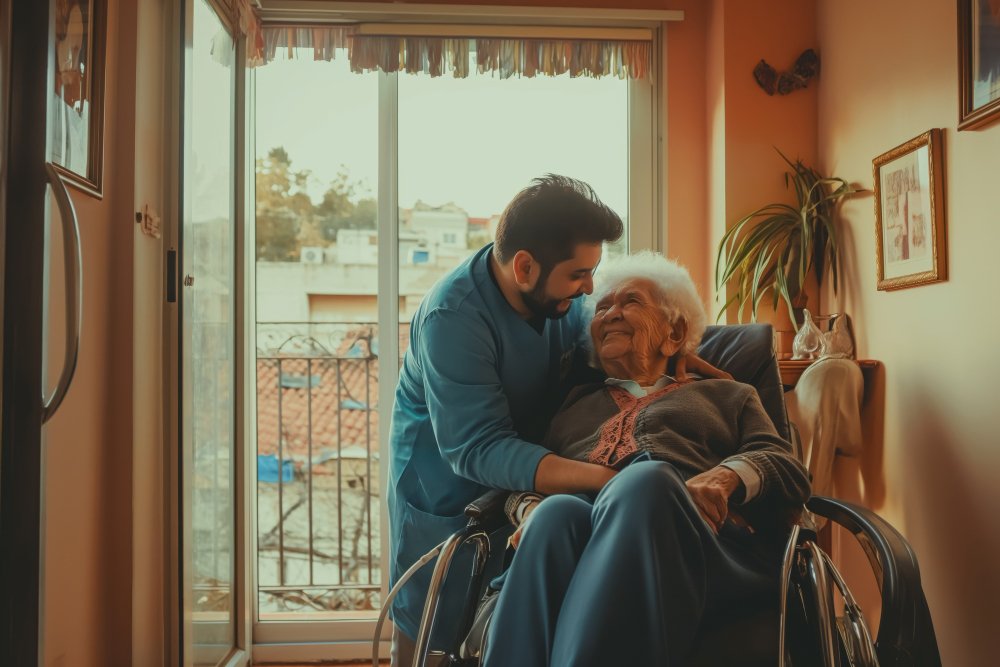
Caring for a loved one with dementia or Alzheimer’s disease can be emotionally and physically challenging. Memory loss, confusion, mood changes, and behavioral shifts require patience, structure, and professional support.
For many families, dementia and Alzheimer’s care at home provides a compassionate and familiar environment that reduces stress while ensuring safety and dignity.
Understanding Dementia & Alzheimer’s
Dementia is a broad term for conditions affecting memory, thinking, and social abilities. Alzheimer’s disease is the most common form of dementia.
Common symptoms include:
- Memory loss
- Confusion about time and place
- Difficulty performing daily tasks
- Mood swings
- Personality changes
- Wandering behavior
As the condition progresses, consistent supervision becomes essential.
Why Choose Home Care for Dementia Patients?
Familiar Environment
Being in a known setting reduces anxiety and confusion.
Structured Routine
Caregivers help maintain daily routines that provide stability and comfort.
Personalized Attention
One-on-one care ensures focused supervision and emotional support.
Safety Monitoring
Professional caregivers minimize risks like wandering, falls, and medication errors.
Reduced Emotional Stress
Home care reduces the trauma often associated with relocation to facilities.
What Does Dementia Home Care Include?
Professional dementia care services may include:
- Assistance with daily activities (bathing, dressing, eating)
- Medication reminders
- Cognitive stimulation activities
- Companionship and emotional support
- Mobility assistance
- Monitoring behavioral changes
- 24/7 supervision (if required)
A structured care plan improves both safety and quality of life.
Safety Measures for Dementia Patients at Home
- Remove tripping hazards
- Install door alarms if wandering risk exists
- Keep emergency contacts visible
- Maintain consistent daily schedules
- Ensure proper lighting
Caregiver supervision plays a vital role in preventing accidents.
Emotional Support for Families
Caring for someone with dementia can lead to caregiver burnout. Professional home healthcare services provide:
✔ Respite care for family members
✔ Professional monitoring
✔ Emotional reassurance
✔ Structured care plans
Support ensures both patient and family well-being.
Is home care suitable for advanced dementia patients?
Yes, with 24/7 supervision and professional caregivers, even advanced-stage patients can receive safe care at home.
How can caregivers handle wandering behavior?
Trained caregivers use supervision, structured routines, and safety measures to minimize wandering risks.
Can dementia patients receive nursing care at home?
Yes, if medical needs exist, skilled nursing care can be integrated into the care plan.
How many hours of care are typically required?
Care duration depends on disease severity – from part-time assistance to full-time 24-hour care.
Does home care improve emotional well-being?
Yes, familiar surroundings and family presence often reduce anxiety and agitation.
When should families consider professional dementia care?
When daily tasks become difficult, safety risks increase, or caregiver stress becomes overwhelming, professional support is recommended.
“Dementia and Alzheimer’s care at home offers a compassionate, structured, and safe solution for families navigating memory-related conditions. With personalized support, safety monitoring, and emotional care, patients can maintain dignity while staying in familiar surroundings. Professional home healthcare services not only protect patients — they also provide essential relief and peace of mind to families during challenging times.”